A Strategic Entry into the Defence Sector
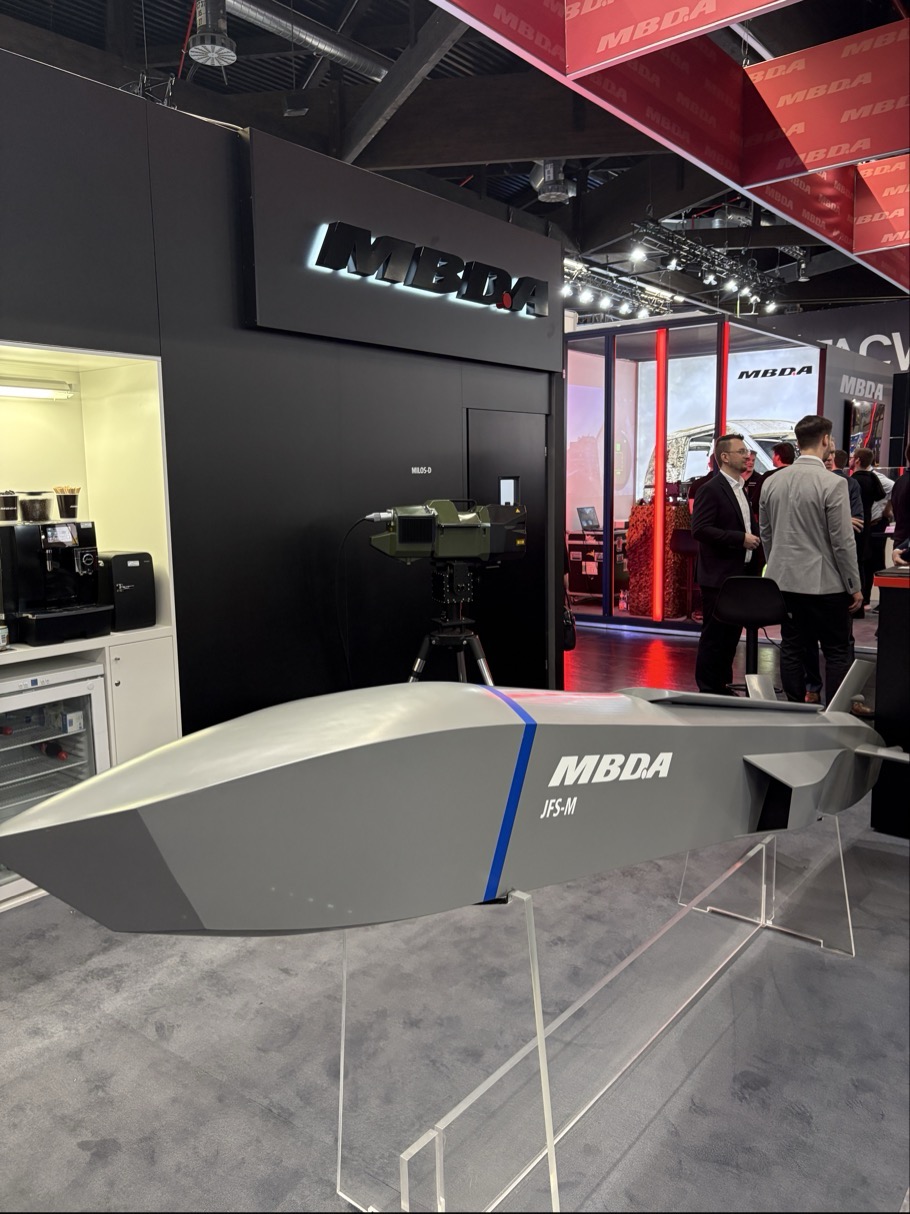
Enforce Tac 2026, held in Nuremberg from February 23–25, set a new record for the event — drawing more than 1,400 exhibitors from 45 countries and 26,500 trade visitors from 100 countries. Under the central theme “Networked Security,” the agenda centered on European defence resilience, hybrid threats, critical infrastructure protection, and the integration of digital and conventional defence capabilities.
siliXcon attended with a clear agenda: explore new customer opportunities in the defence sector, establish strategic contacts, and map a rapidly evolving ecosystem firsthand. Defence applications represent a significant growth vector for us, and this was a first deliberate step toward positioning ourselves within this space.
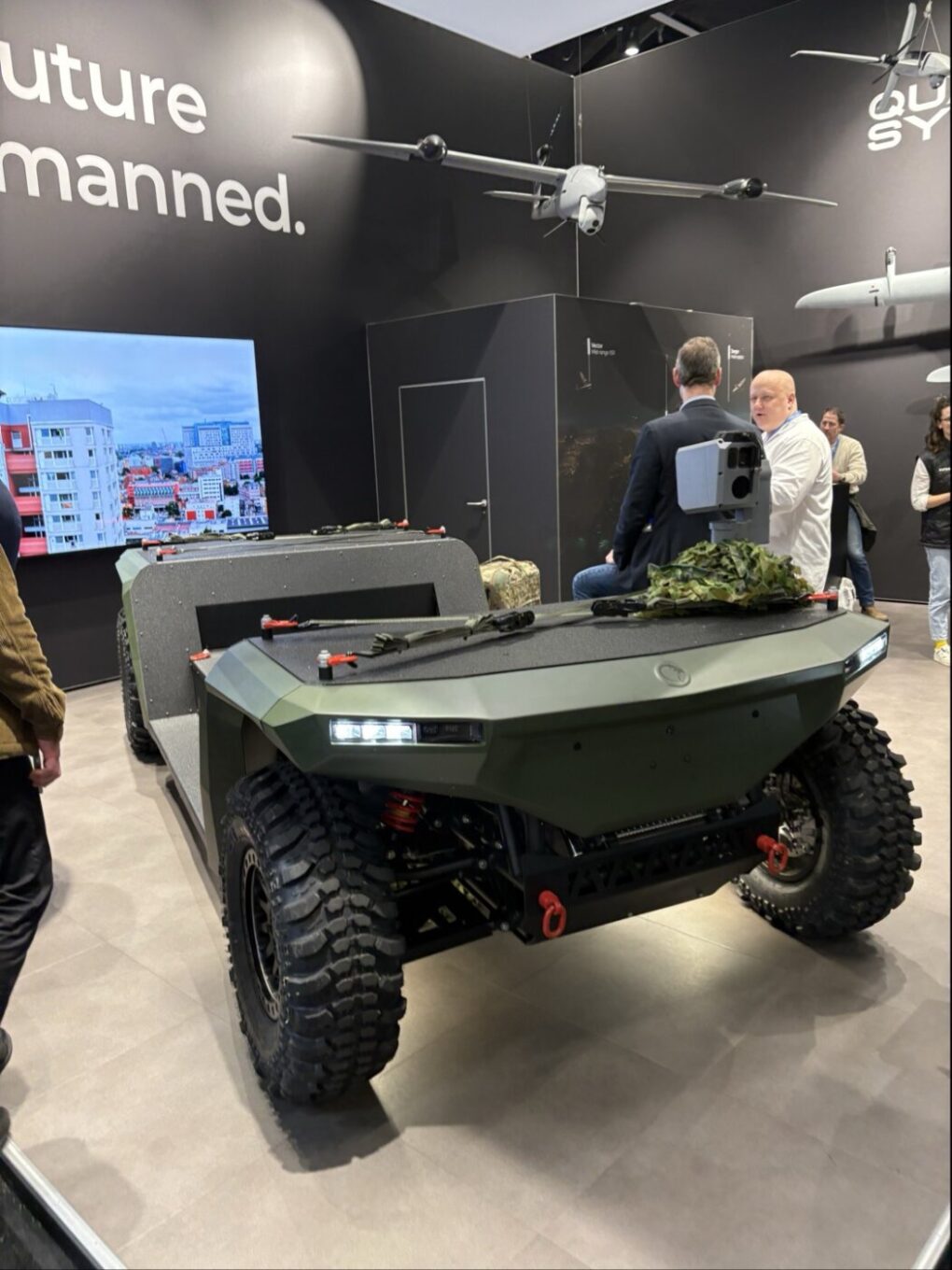
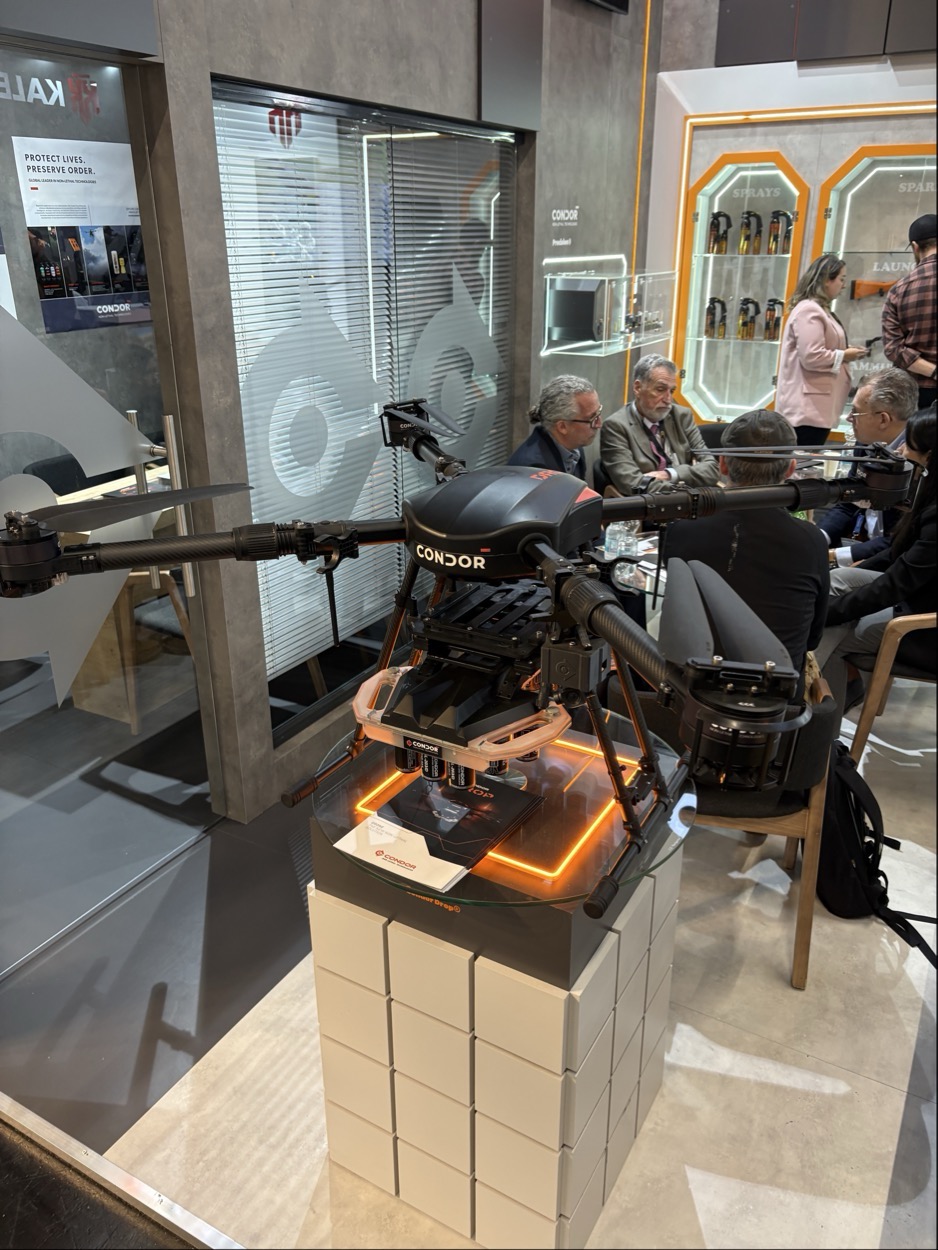
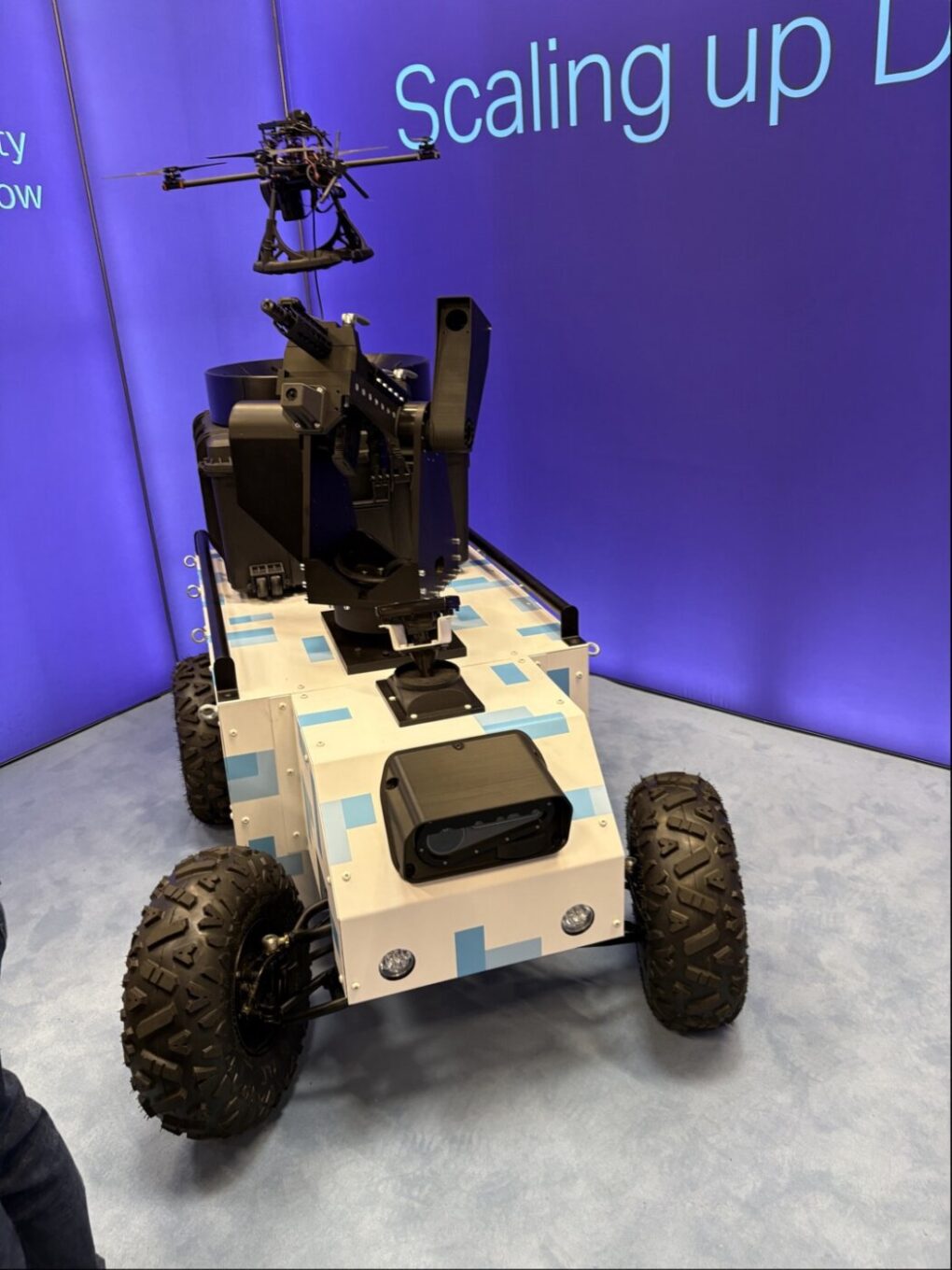
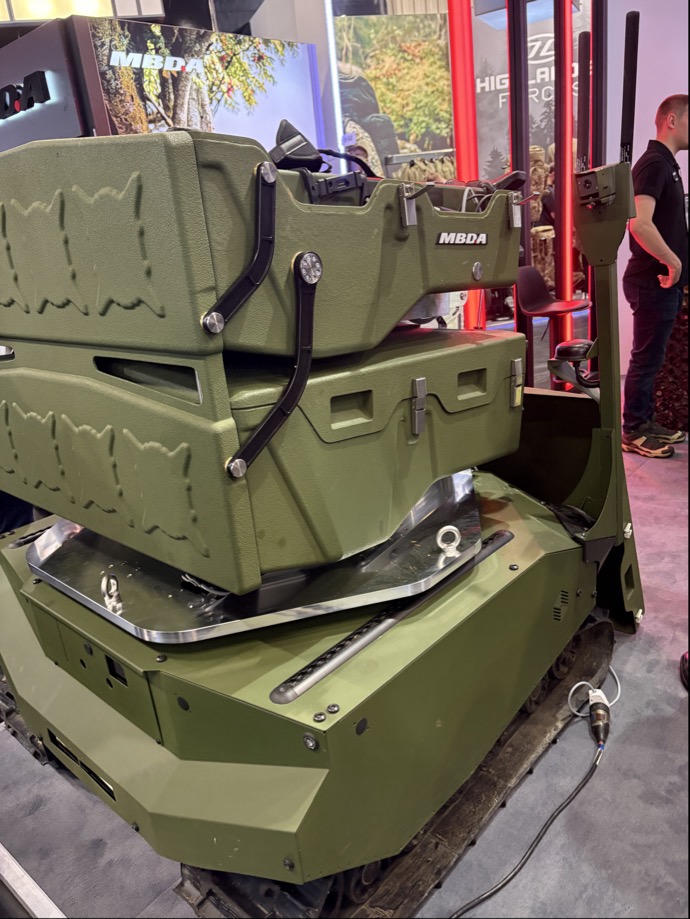
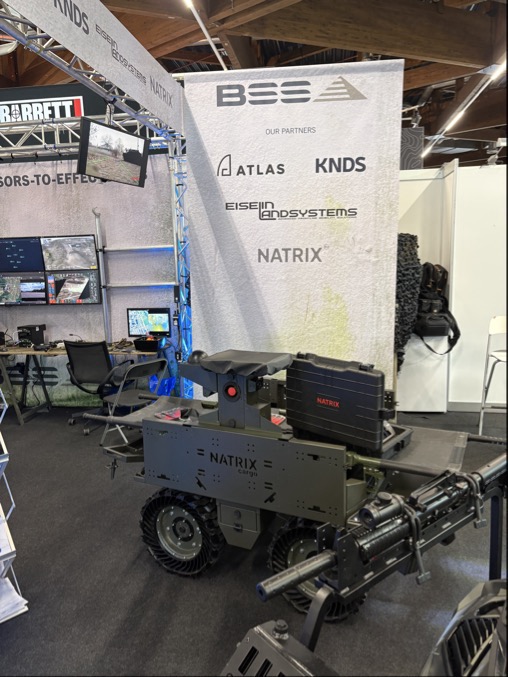
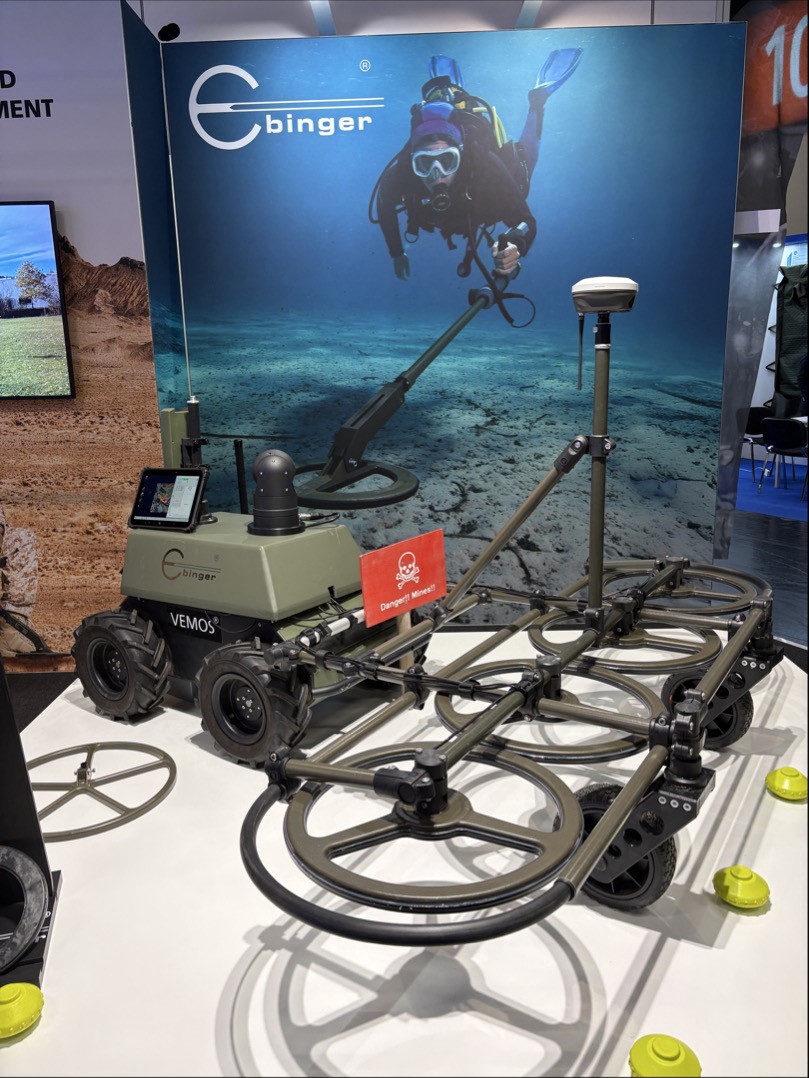
The dominant trend across the exhibition was the rapid expansion of unmanned systems (UxV) — spanning UAV (air), UGV (ground), and USV (surface) domains. Tactical drones and counter-drone (C-UAS) technologies commanded particular attention, reflecting the accelerating role of autonomous and semi-autonomous platforms in modern operations.
Major players such as Diehl Defence and Rheinmetall showcased advanced C-UAS systems combining AI-assisted tracking, radar, electro-optics, jamming, and hard/soft-kill effectors — all increasingly deployed within networked architectures that create shared situational awareness across distributed sensors and platforms. The recurring emphasis on modularity, interoperability, and rapid deployment reflects the real operational demands of contemporary hybrid threats.
A notable part of the programme was a German-Czech matchmaking session organised by AOBP and BDSV, connecting companies from both countries and reinforcing bilateral defence collaboration — directly relevant given siliXcon’s Czech roots and growing international ambitions.
For siliXcon, Enforce Tac 2026 was about strategic positioning, not visibility. The defence sector’s growing dependence on electrified propulsion, autonomous platforms, sensor integration, and high-performance electronics maps directly onto our expertise in advanced motor control and electric powertrain integration. As unmanned systems become more capable and energy-intensive, efficient and reliable powertrain architecture becomes a critical enabling layer — not a commodity.
The direction is clear: networked, intelligent, and electrified systems will define the next phase of defence innovation. We intend to be part of it.